Crop Health
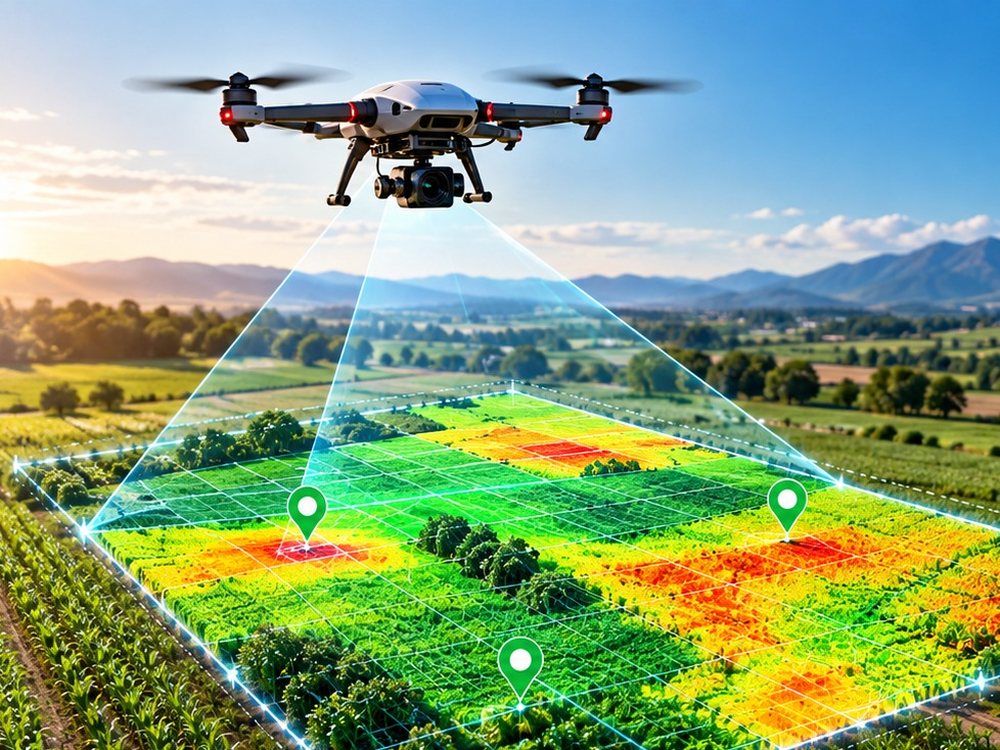
Drone imagery is designed to be processed for unusual crop patterns and plant stress — AI-assisted anomaly detection to flag areas worth walking, not an automatic diagnosis. Ground verification is recommended before acting on any result.
Smart Irrigation
Soil moisture data and threshold-based valve control are designed to help you water zones based on what the field actually needs, with manual override planned as a design feature.
Soil Monitoring
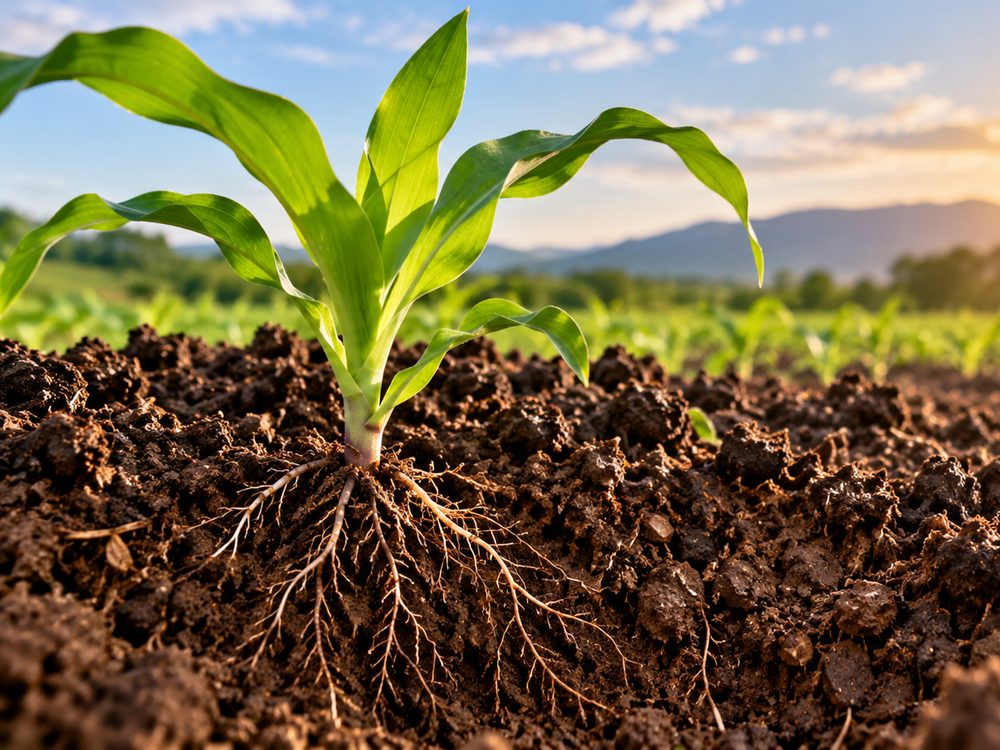
Planned: continuous soil moisture, temperature, and EC readings from field nodes, viewable by zone and over time.
Water Management
Flow, pressure, and tank-level monitoring is planned alongside irrigation history, so water use could be reviewed rather than estimated.
Crop Stress & Nutrient Intelligence
Combining sensor and imagery data to flag potential nutrient stress patterns. This is a design target — exact nutrient concentrations cannot be determined from imagery alone, and lab or in-field verification remains the reliable source of truth.
Field Performance & Yield Intelligence
Performance-zone mapping and yield estimation, where the underlying model has been validated against real harvest data for that crop and region.